McMinnville Real Estate

Key Highlights
- Seller representation in McMinnville is when a real estate professional, or seller’s agent, legally represents you in the sale of your property.
- This relationship is formalized through a contract called a listing agreement, which outlines duties and compensation.
- A seller’s agent works to protect your best interests, from setting the property’s value to negotiating the final sale price.
- Proper representation helps you navigate complex paperwork and Oregon-specific disclosure laws.
- Working with a seller’s agent minimizes risks and maximizes your chances of a successful real estate transaction.
- Your agent provides market expertise to develop a selling strategy tailored to the McMinnville area.
Introduction
When selling your home, seller’s representations are the statements and facts you provide about your property. This information forms the foundation of your real estate transaction. To navigate this process effectively, you need seller representation in McMinnville – a formal relationship with a real estate professional who acts as your advocate. A seller’s agent guides you through every step, ensuring your interests are protected and your sale goes smoothly. This guide will explain what seller representation means for homeowners in McMinnville and why it’s so important.
What Seller Representation Means in McMinnville, Oregon
In McMinnville real estate, seller representation means you have hired a licensed professional to act on your behalf. This seller’s agent, also known as a listing agent, has a legal and ethical duty to prioritize your interests above all others during the sale of your seller’s property.
This formal agency relationship is established through a signed contract. It empowers your agent to market your home, negotiate with potential buyers, and guide you through the complexities of a real estate sale, all while working to achieve your specific goals.
Key Concepts of Seller Representation in Real Estate
The core of seller representation is the agency relationship you form with a real estate brokerage. This relationship is legally binding and is created through a seller representation agreement, commonly known as a listing agreement. This document is the cornerstone of your partnership with an agent.
This agreement provides your agent with extensive details about your property. These facts are crucial, as they form the basis for all marketing materials and conversations with potential buyers. Your agent relies on the accuracy of this information to confidently represent your home during a real estate transaction.
Ultimately, the listing agreement authorizes your agent to act on your behalf. It defines the scope of their duties, the duration of the contract, and how they will be compensated. It’s the essential document that allows your agent to begin the process of selling your home effectively.
The Role of a Seller’s Representative Agent
A seller’s agent is your dedicated advocate in a real estate transaction. Their primary role is to manage the entire home-selling process while protecting your seller’s interests. They put themselves in your shoes to understand your goals and circumstances, ensuring your needs are met.
They leverage their expertise to handle the many moving parts of a sale. From the initial consultation to the final closing, your agent is there to provide guidance and execute a strategy designed to get you the best possible outcome. They are your professional representative when dealing with potential buyers and their agents.
Key responsibilities of your seller’s agent include:
- Pricing and Preparation: Helping you determine a competitive listing price and advising on improvements to increase your property value.
- Marketing: Creating a comprehensive marketing strategy to attract qualified buyers, including professional photos and online listings.
- Negotiation: Reviewing all offers and negotiating terms that are in your best interests.
- Closing: Guiding you through the paperwork and steps required to successfully close the sale.
Why Seller Representation Matters for McMinnville Homeowners
For homeowners in McMinnville, seller representation is not just a convenience—it’s a critical component of a successful sale. Having a dedicated seller’s agent ensures your financial interests are the top priority. They work to secure the best possible sale price, not just an acceptable listing price.
This professional advocacy is vital in a competitive market. Your agent uses their local knowledge to navigate negotiations, handle legal complexities, and shield you from unnecessary stress. Whether you’re selling a family home or commercial real estate, having an expert in your corner protects your best interests from start to finish. We will now explore how they protect your rights and the risks of going it alone.
Protecting Seller Rights and Interests
One of the most significant benefits of having a seller’s agent is the protection of your seller’s rights and interests. A good real estate agent acts as a shield, ensuring your confidential information remains private unless you authorize its release. They handle all communication and potential conflicts, so you don’t have to deal with them directly.
This protection comes from the fiduciary duty your agent owes you. When you hire a real estate broker, they are legally obligated to act in your best interests. This includes being loyal, obedient to your lawful instructions, and accountable for all actions taken on your behalf.
If an issue arises during the transaction, your seller’s agent steps in to manage it according to your wishes. This ensures that your position is always defended and that you are insulated from the high-stress moments that can occur during negotiations or inspections.
Risks of Selling Without Proper Representation
Attempting to sell your home without professional seller representation exposes you to significant risk. Without an expert to guide you, you may misunderstand complex contracts or miss critical deadlines in the real estate transaction, potentially leading to legal and financial penalties.
The financial risks are also substantial. You might misprice your home, leaving money on the table, or struggle to negotiate effectively with an experienced buyer’s agent. You also take on the full burden of marketing, scheduling showings, and vetting potential buyers, which can be overwhelming.
Some key risks to consider include:
- Legal Pitfalls: Incorrectly handling disclosures or paperwork can lead to lawsuits after the final closing.
- Financial Loss: Setting the wrong price or failing to negotiate properly can cost you thousands.
- Navigating Complex Situations: You may not know how to handle situations like dual agency, where one agent represents both buyer and seller.
- Wasted Time and Effort: The process is time-consuming, and mistakes can prolong the sale indefinitely.
Understanding the Seller Representation Agreement in Oregon
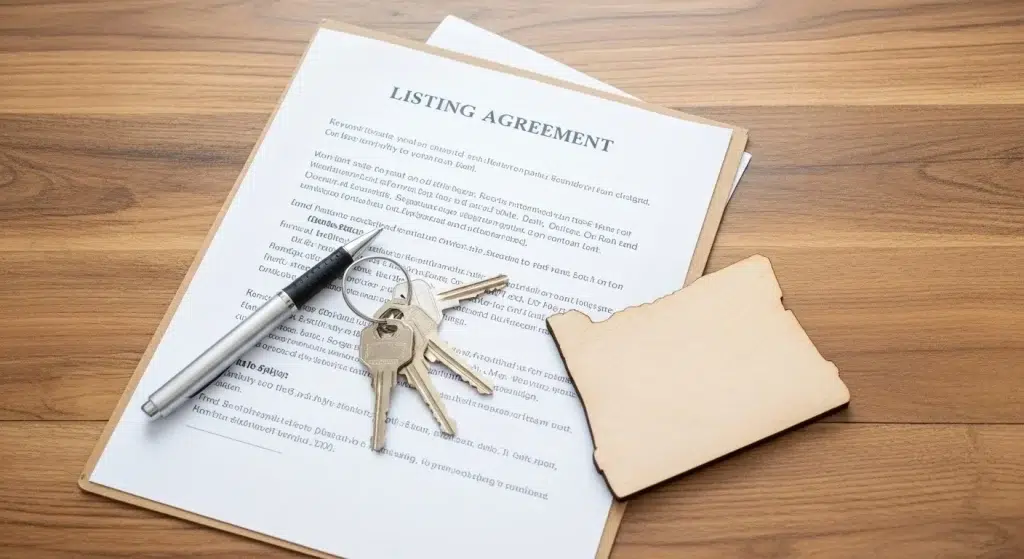
The seller representation agreement, also called a listing agreement, is the formal contract between you and a real estate broker. This document is essential as it legally authorizes the brokerage firm to market your property and represent you. It outlines the obligations and responsibilities of both you and your agent.
In Oregon, these agreements are standardized to provide critical safeguards for everyone involved. Often based on forms from the association of realtors, the agreement establishes the legal framework for the entire transaction, from listing to closing. Let’s look at what these contracts typically include.
Typical Clauses Found in Seller Representation Contracts
A seller representation agreement contains several key clauses that define the terms of your relationship with your agent. These clauses are designed to create clarity and prevent misunderstandings during the selling process. The agreement specifies the start and end dates of the contract, giving you a clear timeline.
It also details the listing price you have agreed upon and the amount of compensation the broker will receive upon a successful sale. Other important terms may address the agent’s authority to cooperate with other brokers and how situations like a dual agent scenario would be handled.
Understanding these clauses is crucial before you sign. Here are some of the most common elements you will find in a listing agreement:
| Clause | Description |
|---|---|
| Property Details | A legal description of the property, including any personal property to be included or excluded from the sale. |
| Listing Price | The initial price at which the property will be marketed to the public. |
| Contract Duration | The specific start and end dates of the agreement, defining how long the agent will represent you. |
| Agent Compensation | The commission or fee structure for the agent’s services, detailing the amount of compensation. |
| Agent’s Duties | The responsibilities the agent agrees to perform, such as marketing the property and negotiating offers. |
Oregon-Specific Disclosure Requirements and Local Considerations
In Oregon, sellers have a legal duty to disclose known material defects about their property. Your real estate licensee is bound by a strict code of ethics to ensure you understand and comply with these disclosure requirements. Failing to do so can lead to serious legal consequences.
When selling a home in McMinnville or greater Yamhill County, local considerations are also important. For example, older homes in the area may have unique characteristics related to their foundations, septic systems, or well water that require specific disclosures. An experienced local agent will know what issues are common in the area and ensure they are properly addressed.
Your agent will help you accurately complete Oregon’s Seller’s Property Disclosure Statement. Key considerations include:
- Disclosing any known issues with the home’s structure, roof, or plumbing.
- Reporting on the status of the electrical and heating systems.
- Revealing any known environmental hazards, such as asbestos or lead-based paint.
- Providing information about the property’s title and any existing liens.

Conclusion
In conclusion, understanding seller representation is crucial for homeowners in McMinnville. It not only protects your rights and interests but also ensures a smoother transaction process. By working with a knowledgeable seller’s representative, you can navigate the complexities of real estate with confidence. They will help you understand the specific contract clauses and Oregon’s disclosure requirements that apply to your unique situation. Selling your home is a significant decision, and proper representation can mitigate risks while securing the best possible outcome. If you’re ready to take the next steps, consider speaking with a McMinnville listing agent who can provide you with expert guidance tailored to your needs.
Frequently Asked Questions
How do I choose the right seller’s agent in McMinnville, Oregon?
To find a good seller’s agent in McMinnville, look for a real estate professional with a strong track record of local sales and positive client testimonials. Choose a listing agent who communicates clearly, understands your goals, and demonstrates they will always act in your best interests throughout the process.
What is a Seller Representative Specialist (SRS) designation?
A Seller Representative Specialist (SRS) is a real estate agent who has completed advanced training in seller representation. This designation, awarded by an affiliate of the National Association of Realtors, signifies a high level of expertise in advocating for sellers, making an SRS a valuable partner in any sale.
How can an attorney assist with seller representation in local real estate deals?
An attorney can provide an additional layer of protection in a real estate transaction. They can review the purchase agreement, advise on complex legal matters, and ensure all documents are in order. While not always required, an attorney’s help with due diligence can be invaluable for complicated sales.