McMinnville Real Estate

Key Highlights
- Industrial property is used for manufacturing, storage, distribution, and flexible commercial activities.
- McMinnville’s economy, driven by wine production and logistics, creates strong demand for specific industrial real estate.
- Key types of industrial property include warehouses, distribution centers, manufacturing facilities, and flex spaces.
- When considering industrial property sales, location, local zoning, and permitting are critical factors for success.
- Thorough due diligence is essential for buyers, sellers, and investors in the commercial real estate market.
- Understanding these properties helps you make informed investment decisions in Yamhill County.
Introduction
What is industrial property used for? Simply put, it serves as the backbone for producing, storing, and distributing goods. From sprawling warehouses to specialized manufacturing plants, these spaces are vital for commerce. In McMinnville, Oregon, the demand for Industrial Property Sales is closely tied to our vibrant local economy. Whether you’re looking to buy, sell, or make a strategic investment, understanding the uses and types of industrial commercial property is your first step toward success in this dynamic market.
Key Considerations for Industrial Property Sales in McMinnville, OR
When approaching industrial property sales, a thorough investigation is essential to protect your investment. This due diligence process involves a deep look into the property’s legal, physical, and financial standing to uncover any hidden risks before you finalize a real estate transaction. For both buyers and sellers, this step ensures a fair and transparent deal.
Property owners must pay close attention to land use regulations and local zoning ordinances in McMinnville and the broader Yamhill County area. These rules determine how a property can be used, impacting everything from business operations to future development potential. Understanding these factors is crucial for making an informed decision.
Navigating Local Zoning and Permitting Requirements
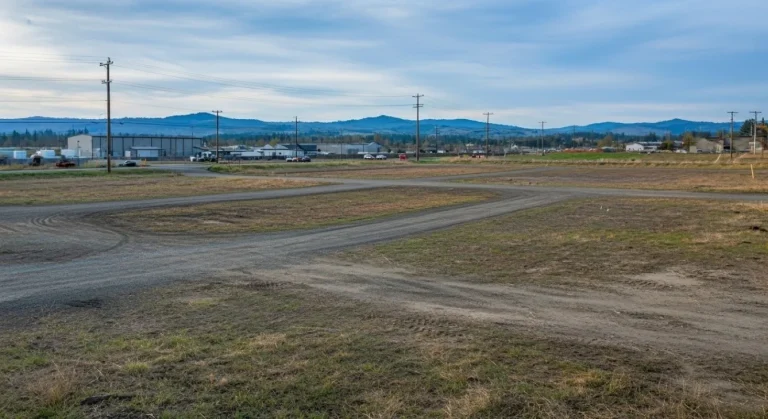
Zoning regulations are a critical component of any industrial real estate deal. Each municipality in Yamhill County has its own set of rules that dictate what you can do with a property. Checking the zoning classification is necessary to confirm your intended business operations are legally permitted.
These local ordinances can affect various aspects of your property, including:
- Building height and structural setbacks
- Signage limitations and parking requirements
- Requirements for a conditional use permit for specific operations
Navigating these complexities often requires careful review of community standards. Sometimes, your planned use might require a variance or special exception from the local zoning board. Seeking legal guidance can help you understand the permitting process and ensure your project aligns with all local requirements, preventing costly delays or compliance issues down the road.
Assessing Location Benefits Across Yamhill County
The old real estate mantra—location, location, location—is especially true for industrial properties. The right site can significantly streamline your business operations and boost your bottom line. In Yamhill County, proximity to major transportation routes like Highway 99W and Highway 18 is a major advantage for logistics and distribution companies.
When evaluating a site, consider these key factors:
- Proximity to suppliers, clients, and a skilled workforce
- Ease of access for shipping and receiving trucks
- Adequate lot size for current needs and future expansion
For industries like wine production, a location near vineyards and bottling facilities can be a game-changer. A property’s location influences its efficiency, accessibility, and long-term value. Carefully assessing these benefits helps ensure you choose a site that supports your operational goals and contributes to your success.
Main Types of Industrial Properties Available in McMinnville
Industrial real estate isn’t a one-size-fits-all category. Properties are grouped by their intended use and physical characteristics. Understanding this classification system helps buyers, sellers, and property owners identify the right space for their specific needs. From massive storage facilities to hybrid office-warehouse spaces, each type serves a unique function in the commercial real estate landscape.
In McMinnville, you will find a variety of industrial properties designed to support our diverse economy. The two most common categories you’ll encounter are warehouses and distribution centers, along with manufacturing spaces and versatile flex industrial buildings.
Warehouses and Distribution Centers
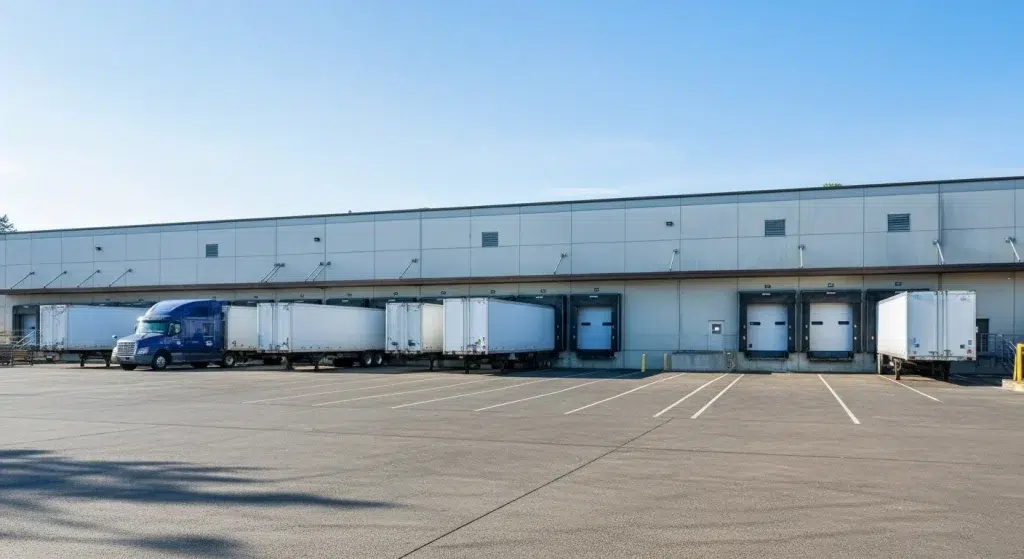
Warehouses and distribution centers are the heart of the supply chain, focused on storage and logistics. These large, open buildings are essential for companies that need to hold inventory before it’s shipped to retailers or directly to consumers. In McMinnville, these facilities are crucial for supporting the wine industry’s storage needs and the region’s growing e-commerce fulfillment operations.
The primary function of these properties is to facilitate efficient movement of goods. Key features often include high ceilings (clear height), numerous loading docks, and large bay doors to accommodate heavy truck traffic. Their design prioritizes function and flow to optimize business operations.
A distribution center is a specialized type of warehouse with a focus on rapid turnover.
| Feature | Warehouses | Distribution Centers |
|---|---|---|
| Primary Use | Long-term storage of goods and inventory. | Short-term sorting and shipment of products. |
| Key Focus | Maximizing storage capacity. | Optimizing the speed and efficiency of order fulfillment. |
Manufacturing Spaces and Flex Industrial Buildings
Manufacturing facilities are where raw materials are transformed into finished products. These industrial buildings are often customized to house heavy machinery and specialized production lines. They require robust infrastructure, including high-capacity power, advanced ventilation systems, and reinforced flooring to support specific manufacturing processes.
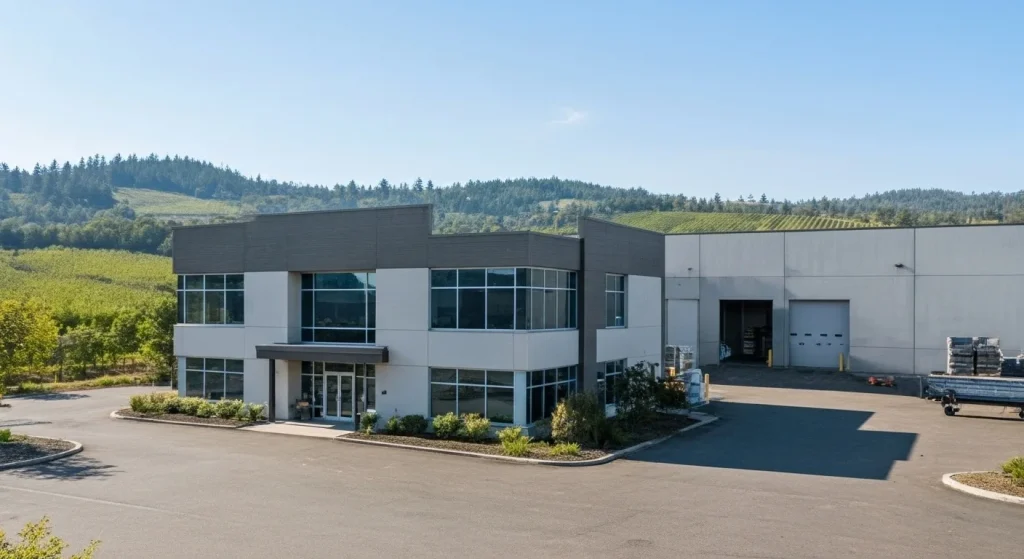
Flex spaces offer a versatile alternative, combining different types of commercial space within a single building. These properties are highly sought after for their adaptability. A typical flex building might include:
- A mix of office or showroom space at the front
- Warehouse or light manufacturing area in the back
- Overhead doors for easy loading and unloading
With favorable commercial zoning, flex spaces can accommodate a wide range of tenants, from light assembly businesses and R&D labs to service providers who need both a customer-facing area and a workshop. This adaptability makes flex industrial buildings a popular and practical choice in McMinnville’s market.
Industrial Property Uses and Impact on McMinnville’s Economy
The use of industrial property has a direct and powerful economic impact on our community. These spaces house the businesses that create jobs, generate tax revenue, and produce the goods that drive our local economy. From wineries needing barrel storage to logistics companies distributing products throughout the Pacific Northwest, industrial real estate is fundamental to McMinnville’s growth.
For business owners, having access to the right kind of industrial space is critical for expansion and efficiency. A healthy commercial real estate market attracts new enterprises and enables existing local industries to thrive, fostering a resilient and prosperous economic environment for everyone.
How Local Industries Shape Demand for Industrial Real Estate
The demand for industrial property in McMinnville is directly shaped by the needs of our key local industries. As the heart of Oregon’s wine country, the agricultural sector creates a consistent need for specialized industrial spaces. This drives a significant portion of local real estate transactions.
The specific demands include:
- Wine Production: Temperature-controlled warehouses for barrel aging and case good storage.
- Logistics & Distribution: Facilities with easy highway access for regional and national distribution.
- Light Manufacturing: Adaptable spaces for artisan producers and small-scale assembly.
This connection between industry and real estate creates a stable, predictable market. As these sectors experience economic growth, the demand for suitable industrial properties follows, presenting unique opportunities for investors and developers who understand the needs of the local market.
Opportunities for Buyers, Sellers, and Investors in mcminnville or
In McMinnville, opportunities abound for buyers, sellers, and investors in industrial property. The city’s expanding economy, especially in wine production and logistics, creates a vibrant market for warehouses and distribution facilities. Sellers can leverage local demand while ensuring compliance with zoning regulations, which are essential for optimal land use. For investors, understanding community standards and navigating the due diligence process is crucial. By maintaining client relationships and consulting with experienced real estate attorneys, all parties can make informed investment decisions.
Conclusion
In conclusion, understanding industrial property sales in McMinnville, OR, is crucial for anyone looking to invest in the local market. The diverse types of industrial properties available, from warehouses to manufacturing spaces, play a significant role in shaping the economy of Yamhill County. As you navigate local zoning regulations and assess the benefits of various locations, it’s essential to recognize how local industries influence demand. By keeping these factors in mind, you can make informed decisions whether you’re buying, selling, or investing. If you need personalized guidance, consult a local commercial expert to help you navigate the intricacies of industrial property transactions.
Frequently Asked Questions
What are the advantages of investing in industrial property in McMinnville?
Investing in McMinnville’s industrial commercial real estate offers strong potential due to its strategic location and robust local economy. The high demand from the wine, agriculture, and logistics industries creates a stable market for buyers, contributing to a positive long-term economic impact and reliable investment returns.
Where can I search for industrial property listings in McMinnville, OR?
You can find industrial property listings on commercial online platforms like LoopNet and CREXi. For the most targeted and up-to-date information, partnering with local commercial real estate agents is highly recommended, as they often have access to off-market opportunities and deep knowledge of upcoming real estate transactions.
Is it better to lease or purchase industrial property in this region?
The decision to lease or purchase depends on your capital, long-term goals, and need for flexibility. Leasing offers lower upfront costs, while a purchase provides equity and control. Your investment decisions in commercial real estate should follow careful due diligence and an analysis of your business’s financial position.